
The fascinating evolution of казино through the ages
Origins of Gambling
The concept of gambling dates back thousands of years, with evidence of betting activities found in ancient civilizations such as Mesopotamia, China, and Greece. These early forms of gambling were often tied to religious rituals or social events, reflecting the cultural attitudes toward chance and luck. In ancient Rome, for instance, dice games were immensely popular and served as entertainment during festivities, showcasing how gambling was integrated into everyday life. Today, many players prefer casinos with no verification, which reflects changing preferences in the gambling landscape.

As societies evolved, so did the perception of gambling. In medieval Europe, gambling began to take on more organized forms, with the establishment of games like cards. The cultural significance of these games varied widely, influencing social hierarchies and community interactions. Gambling was often viewed with suspicion by authorities, leading to fluctuating legal statuses that shaped its practice throughout history.
Gambling in the Renaissance and Enlightenment
The Renaissance period marked a significant turning point in gambling, as games of chance became more refined and accessible. The introduction of playing cards from Asia sparked a surge in interest across Europe. This era also saw the creation of the first commercial casinos, particularly in Italy, where wealthy patrons could indulge in various games, turning gambling into a fashionable pastime.
With the Enlightenment came an increased fascination with probability and mathematics, which influenced gaming strategies. Intellectuals began to study chance, giving rise to games that focused on skill as well as luck. This blend of intellect and chance changed how gambling was perceived, allowing for more sophisticated games and attracting a diverse clientele eager to test their wits against one another.
The Rise of Modern Casinos
The 19th century witnessed a boom in the casino industry, particularly in Europe and America. Iconic establishments like Monte Carlo and Las Vegas emerged, becoming epicenters for gambling enthusiasts. These venues offered not only games of chance but also luxurious accommodations and entertainment, creating a complete experience that attracted tourists and locals alike.
During this time, various forms of gambling flourished, including horse racing and lotteries, further embedding the activity into popular culture. The rise of modern casinos also led to the establishment of regulations aimed at ensuring fairness and protecting players, reflecting a growing recognition of the need for oversight in what was increasingly seen as a legitimate industry.
Digital Revolution and Online Gambling
The advent of the internet has transformed the landscape of gambling, giving rise to online casinos that offer unprecedented access to games. This digital revolution has made it possible for people to gamble from the comfort of their homes, with a vast array of options available at their fingertips. The rise of mobile gaming has further amplified this trend, allowing players to engage with their favorite games anytime and anywhere.
However, this new era has also brought challenges, including concerns about responsible gambling and regulation. As online platforms continue to evolve, jurisdictions around the world grapple with how to create a safe and fair gambling environment while embracing technological advancements. This ongoing evolution highlights the need for balance between innovation and player protection.
Exploring the Cultural Impact of Gambling
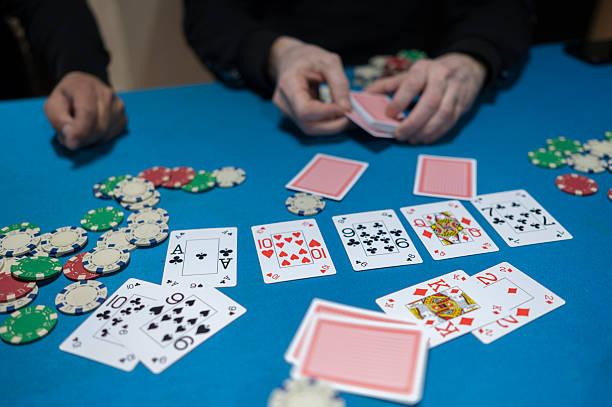
The cultural impact of gambling is profound, influencing art, literature, and social norms throughout history. From classic novels that explore themes of chance to modern films depicting the thrill of high-stakes betting, gambling has captured the imagination of many. It often serves as a metaphor for risk-taking and the unpredictability of life.
As society continues to change, so does the narrative surrounding gambling. Today, conversations about its implications on mental health and community well-being are prevalent. Understanding gambling’s role in various cultures allows for a richer appreciation of its complexities and the need for responsible practices in both traditional and modern contexts.
